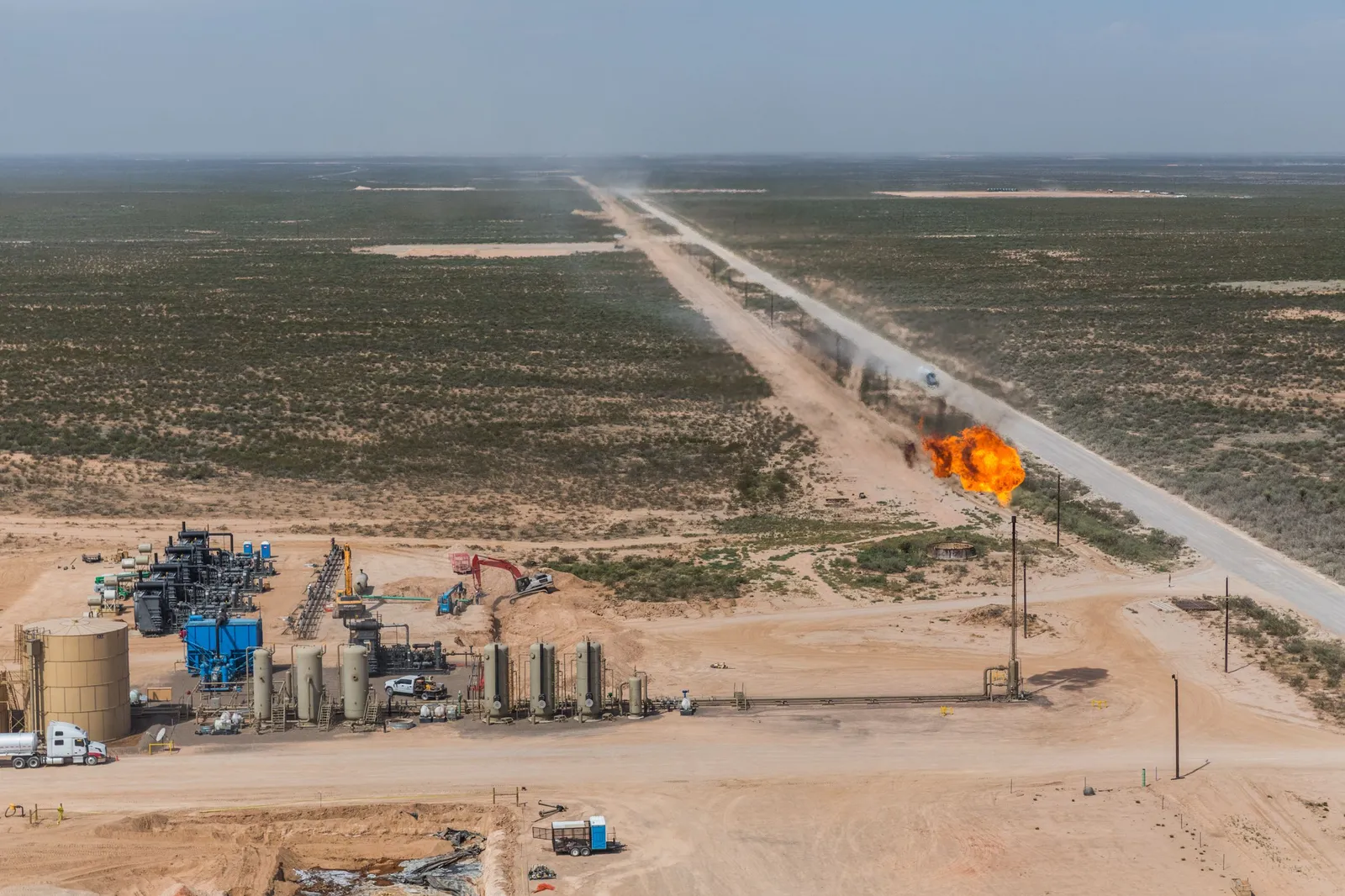
Flowlines are the quiet backbone of oil and gas production. They move fluids from the wellhead to separators, tanks, or gathering systems – often in harsh conditions, with variable pressures, solids, and corrosive fluids. When something fails, the result is usually the same: downtime, safety exposure, and unplanned cost.
Choosing the right valves, manifolds, and pig traps is one of the most effective ways to build reliable flowline systems. With the right design and the right pipeline supply partner, you can make flowlines easier to operate, easier to clean, and safer to maintain.
This guide breaks down what each component does, what to look for, and how supporting oilfield supply items – tools, consumables, and PPE-fit into the picture.
Core Components in a Flowline System
A typical production flowline relies on three core hardware groups:
- Valves – Provide isolation and control so you can safely start, stop, divert, or depressurize sections of line.
- Manifolds – Bring multiple wells or branches together and route production to test, production, or bypass paths.
- Pig traps (launchers and receivers) – Let you run foam pigs and poly pigs through the line to clean, dewater, or inspect it without cutting pipe.
When these are sized correctly, installed in the right locations, and supported by solid pipeline supply, you get safer operations, cleaner lines, and fewer surprises.
Selecting the Right Valves for Flowlines
Valves are worked hard in flowline service. They see pressure swings, solids, and frequent operation. The wrong choice leads to leaks, stuck valves, or rapid erosion.
Where Valves Matter Most
Common valve locations include:
- At the wellhead for primary isolation
- At tie‑ins and junctions for block‑valving sections
- Ahead of sensitive equipment like separators or meters
- Around pig traps to control launch and receive operations
Key Valve Selection Factors
When specifying valves, focus on:
-
- Pressure and temperature rating
Match the highest expected operating pressure and temperature. Check any relevant company or code requirements.
- Pressure and temperature rating
- Material compatibility
-
-
- Carbon steel for most standard service
- Corrosion‑resistant alloys or lined products for sour or aggressive fluids
- Internal coatings where corrosion is a concern
-
- End connections
-
- Flanged ends for easier removal and maintenance
- Welded ends for fewer leak paths (but require quality welding supply and qualified welders)
- Threaded where pressure is lower, or service is temporary
- Piggability
If you plan to pig the line, use full‑bore valves that won’t trap or damage pigs. Undersized bores or sharp transitions can turn a simple cleaning job into a major repair. - Ease of operation
Place valves where crews can safely reach them with standard tools or power tools, while wearing personal protective equipment, including safety glasses, gloves, and flame‑resistant clothing.
Good valve choices reduce leaks, simplify shutdowns, and make pigging safer and more predictable.
Designing Practical Manifolds
Manifolds are where flows converge, and decisions get made. A thoughtful layout can save hours of troubleshooting and countless unplanned modifications.
What a Manifold Should Let You Do
A well‑designed manifold allows you to:
- Combine multiple wells or lines into shared headers
- Route individual wells to test or production equipment
- Bypass equipment during maintenance or upset
- Isolate branches quickly when there’s a problem
Manifolds may be skid‑mounted for mobility or built on steel or concrete foundations as part of permanent facilities.
Manifold Design Basics
Consider:
-
- Pressure class and service
Size valves, headers, and fittings to the most demanding conditions (pressure and fluid) that any connected well can produce.
- Pressure class and service
- Valve and spool layout
-
- Clear isolation for each branch and outlet
- Logical flow paths with straightforward labeling using tags and marking paint
- Space to remove valves and spools using proper oilfield lifting gear, slings, and shackles
- Flow and erosion
Avoid tight bends and dead legs that trap sand or water. Use internal protection and external coatings where erosion and corrosion are likely. - Access and safety
Provide enough room for technicians to work, set up pipe cutters, use power tools, and follow safe rigging practices, without improvising.
When manifolds are designed with operation and maintenance in mind, adding wells, rerouting lines, or performing repairs becomes much easier.
Pig Traps, Foam Pigs, and Poly Pigs: Keeping Lines Clean
Solids, scale, and wax naturally accumulate inside flowlines. Left alone, they reduce capacity, increase backpressure, and create corrosion risks. Pigging is one of the most effective tools to manage this.
What Pig Traps Do
Pig launchers and receivers (pig traps):
- Provide a safe place to insert and recover pigs
- Include vents, drains, and isolation valves for controlled pressurization and depressurization
- They are sized to handle the pigs you plan to run – both foam pig and poly pig styles
Strategic placement – often at the start and end of key line segments – lets you clean and inspect lines without cutting into them.
Choosing the Right Pig
Different jobs call for different pigs:
-
-
- Flexible and forgiving
- Great for initial cleaning, water removal, and sweeping debris
-
- Poly pigs (polyurethane)
-
- More durable for routine cleaning
- Available with cups, discs, or brushes to tackle scale and wax
Sometimes steel‑mandrel pigs are used for heavier cleaning or specialized work, but they require well‑documented line geometry and careful planning.
Safety During Pigging
Pigging operations require disciplined procedures and the right safety supplies:
- Confirm the trap is depressurized before opening
- Use lockout/tagout on associated valves
- Equip crews with proper personal protective equipment, safety glasses, face shields, impact‑resistant gloves, FR clothing, and hearing protection where needed
- Mark piping routes and work areas with detectable tape and clear signage
When pigging is built into the design and supported with the right equipment, it becomes a routine maintenance step instead of an emergency measure.
Don’t Overlook Supporting Supplies
The big components only work well when you have the right supporting oilfield supply company behind them. Day‑to‑day jobs around flowlines often require:
- Tools and welding gear – Wrenches, power tools, pipe cutters, welding rods, and a full welding supply for tie‑ins and repairs.
- Cleaning and surface prep – Degreaser, oilfield aerosols, abrasives, wire wheels, and grinding discs to clean steel and prep for coatings.
- PPE and safety gear – Safety glasses, gloves, hard hats, FR clothing, and additional safety supplies like spill kits and first‑aid equipment.
- Field consumables – From bottled water for crews to DEF supply and oilfield lubricants that keep trucks and machinery ready to work.
A reliable supply partner can bundle these consumables with your valves, manifolds, pig traps, and pigs, reducing delays and simplifying procurement.
Frequently Asked Questions
Q: Do all flowlines need pig traps?
A: Not every short or low‑risk line is piggable, but designing key lines with pig launchers and receivers provides flexibility for cleaning, dewatering, and inspection over the life of the asset.
Q: What’s the top priority when choosing valves?
A: Start with pressure rating and material compatibility, then confirm whether the system needs to be piggable. After that, focus on accessibility and ease of operation in real field conditions.
Q: Why work with a dedicated pipeline supply partner?
A: A strong pipeline supply partner helps you standardize components, keep critical spares on hand, and bundle supporting tools, pigs, and PPE so your crews spend more time working and less time waiting on parts.
Need Pipeline, Welding, or Safety Solutions? Contact Matador Oilfield Supply
Matador Oilfield Supply in Odessa, TX, is your full-service resource for pipeline supply, oilfield supply, and welding supply from valves, manifolds, and pig traps to foam pigs, poly pigs, PPE, and field‑ready consumables.
Call us at (432) 563‑9446, or visit us in person at 8049D W Highway 80 E, Odessa, Texas, to outfit your next flowline project and keep your operation running safely and efficiently.
 432.563.9446